
One building. Several different doors.
An apartment key problem is easier to explain when you separate the common entrance from the private unit. Use this guide to identify the door, the access you still have and the person who can authorize a change.
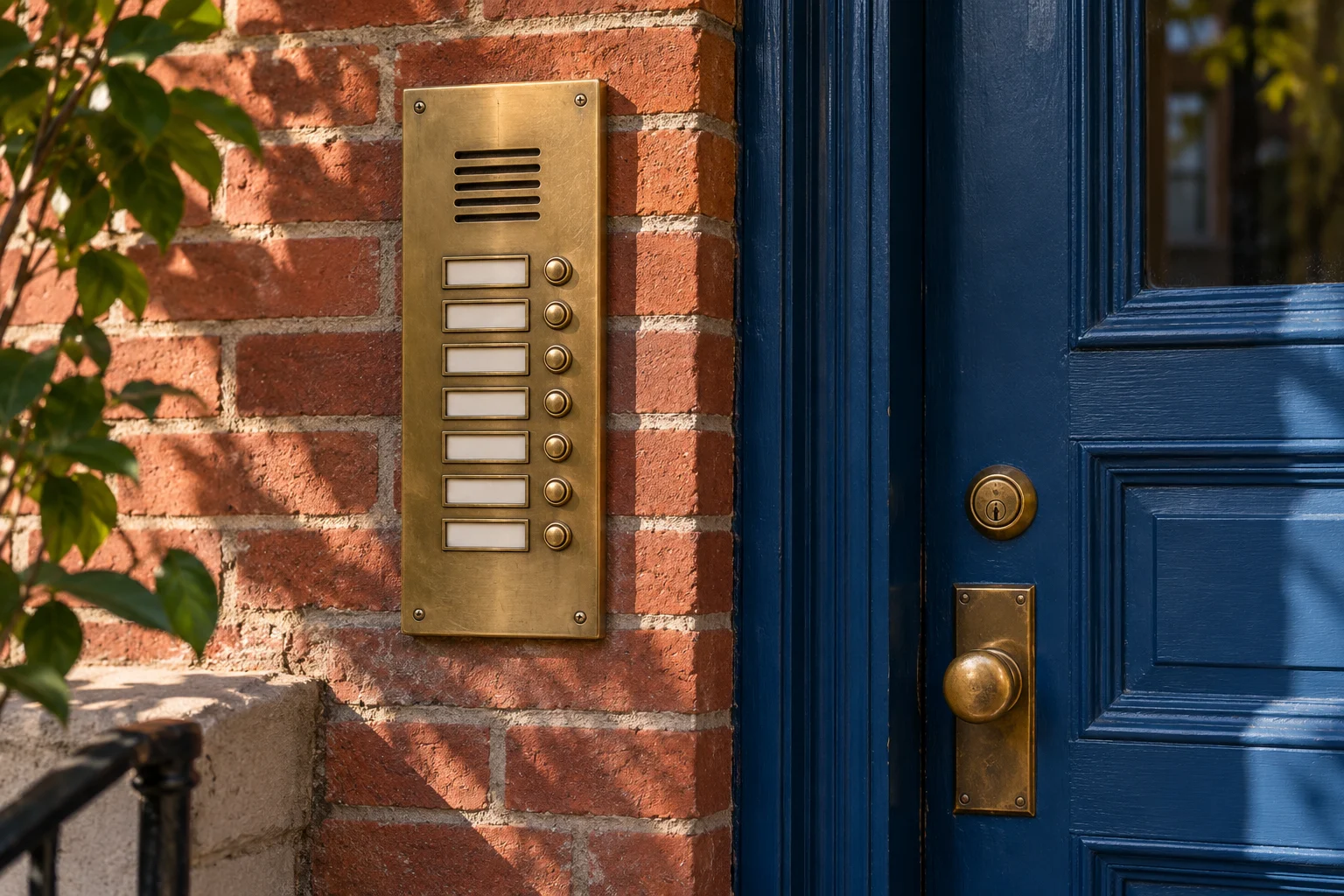
First, locate the point where access stops.
Can you open the street entrance? Can you reach the apartment floor? Does the individual unit key turn? Answering those questions distinguishes a common-entry issue from a private-door request.
On Bergenline or Summit Avenue, a residential entrance can be next to a storefront. Give the street number and describe your actual entrance. If the buzzer is unanswered, explain that separately from a mechanical key that will not operate.
Next, establish who controls the lock.
A tenant may be responsible for one door while a manager controls the common entrance. Do not assume permission for a unit lock extends to shared hardware. Check the building arrangement and involve the responsible person.
The residential locksmith page covers this distinction. For a business entrance in the same building, use the commercial page and identify the authorized business contact.
Finally, describe the desired result.
If the hardware works but you cannot account for previous key copies, ask about rekeying. If the latch will not hold or the key needs force, discuss lock repair and explain the symptoms first.
A change to keys and a repair to a door solve different problems. Before approving work, establish which doors are included, who should receive keys and how the proposed scope affects the estimate.
A typical question to bring to the call.
“I can open the common door, but the key to my apartment will not turn. The building manager can be reached, and the door is currently closed.” This kind of description communicates more than a guessed part name.
This is an example of how to describe a situation, not a report of a completed job. Add your actual address and observations rather than copying details that do not apply.
Keep the entrance safe.
Avoid forcing a key, blocking a common exit or changing hardware without the required approval. If the property cannot be secured, say so at the start of the call and confirm current availability.